What Does It Mean When Vultures Circle Your House? The Answer Might Surprise You
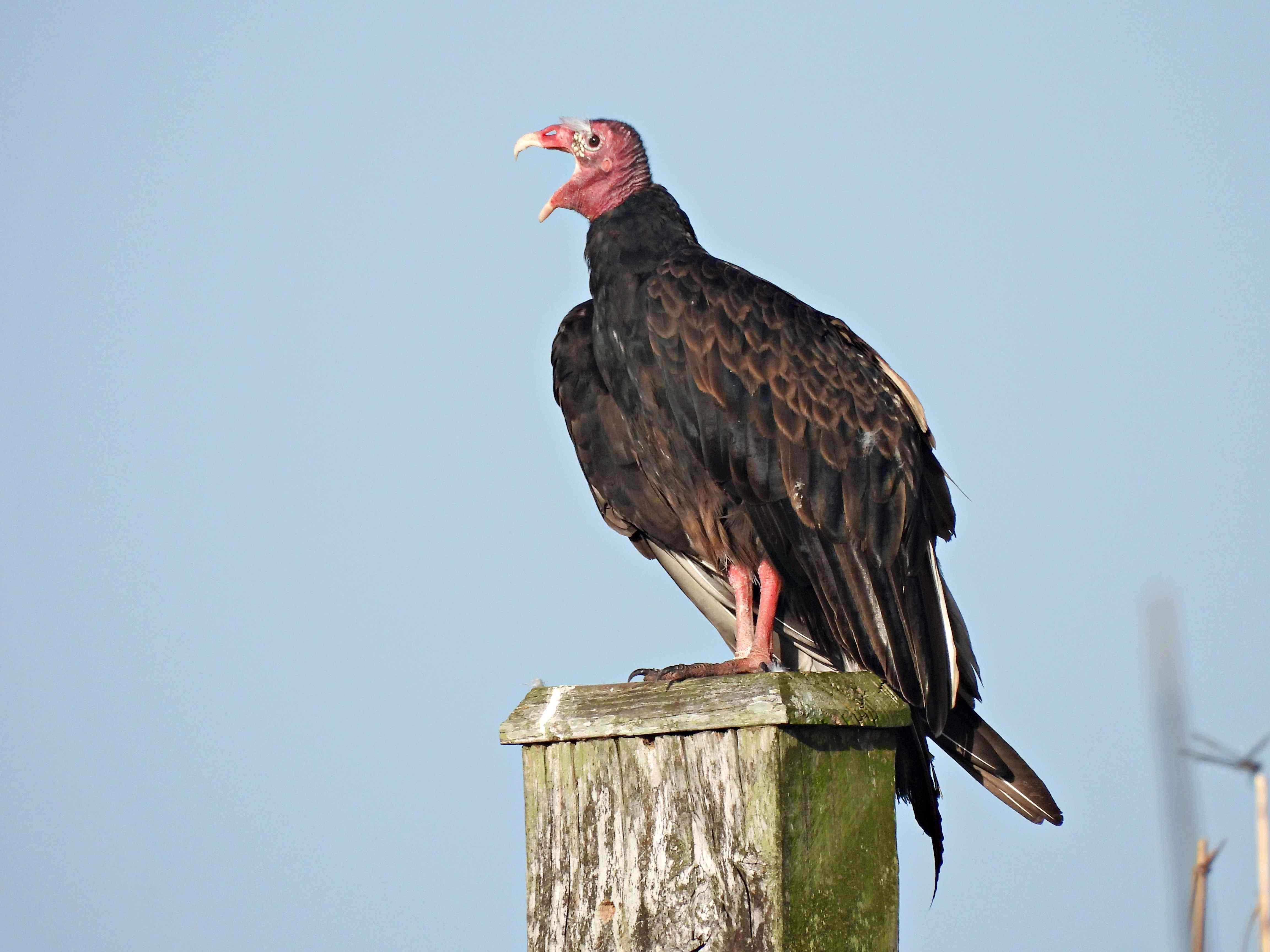
A circling swarm of black birds above your house may make you want to shut your curtains or think something bad is about to happen, but it might just be vultures. These large, dark birds have long been associated with bad omens, and their presence can make even the sunniest afternoon feel ominous.
Before you worry about what their appearance means, there’s a more practical explanation. Vultures circle for several reasons, most of which are unrelated to what is happening below. They’re riding thermal currents, looking for food, or simply soaring.
Vultures Circle To Ride Warm Air Currents
The most common reason vultures circle overhead is that they’re riding a thermal current, a column of warm air that forms when the sun heats the ground unevenly and rises. Vultures use the thermal to get into the air without flapping their wings.
Rather than working hard to stay aloft, they spread their wings and glide in circles, using rising air to lift them. As thermals grow bigger with height, vultures can make wide circles as they rise. This is especially true on sunny days when the ground has had time to heat up. If you see vultures wheeling above your house in the afternoon, they’ve likely found a nice thermal to ride.
Vultures May Be Searching For Food Nearby
Food is another possible reason. Vultures are scavengers that feed on dead animals. They circle looking for carcasses, but that doesn’t mean there is one in your yard. Turkey vultures have a strong sense of smell and can detect a carcass even if it’s buried under vegetation. Black vultures rely more on their eyesight and often watch other scavengers to see where the food is. If a vulture spots something of interest, it may just circle the area before dropping down to have a look. Vultures will also sometimes congregate around a carcass before feeding, giving them a chance to assess the area for potential predators and decide whether it’s safe to land.
A Nearby Vulture Roost Could Explain The Activity
Sometimes it’s less about the food and more about where the birds sleep. Vultures are social animals and often gather in communal roosts, where groups spend the night perched in trees or other elevated spots. If your area has a good roosting site, you’ll often see vultures passing overhead as they leave in the morning and return in the evening. Tall trees, power lines, and similar structures provide good roosting spots. You’ll also often see larger groups of vultures gathering after rain, sometimes landing and spreading their wings to dry their feathers before taking off again.
Vulture Sightings Can Increase During Migration
The time of year affects how many vultures you see circling above your house. Some populations migrate south as weather gets colder and return north when it warms up. In the South, though, turkey and black vultures are both common residents. You’ll still see fluctuations in their numbers as birds from further north move in during the colder months.
Turkey vultures are pretty easy to recognize with their long wings, dark plumage, and distinctive red heads. They’re often seen soaring with their wings in a slight “V.” If you’re suddenly seeing more vultures than normal, then seasonal movement is probably the explanation.
Should you be worried if vultures are circling above your house?
Generally, no. Seeing vultures circling overhead isn’t a sign that something bad will happen, and they aren’t waiting for a person or pet to die. Their reputation as omens of death comes from folklore and their association with dead animals. Vultures are an important part of the ecosystem because they help keep the environment clean by eating dead animals. They’re key to removing decaying material that could otherwise become a source of pathogens. Their digestive systems are specifically geared to cope with the bacteria and other pathogens that are present in carrion.
If vultures land on your roof repeatedly or gather around your property, it may be worth investigating. Check your yard for dead animals, secure rubbish and compost, and avoid leaving pet food outside.
on Southern Living
Source: Nature
